What Makes a Franchise “Future-Proof”? Key Traits to Look For
Not every franchise concept is built for the long haul. Some ride a trend and fade. Others struggle to adapt when consumer habits shift, economic conditions tighten, or the competitive landscape changes. A select few, defined by smart design, enduring demand, and operational strength, don’t just survive disruption. They grow through it.
For anyone evaluating a franchise investment, the most important question isn’t “Is this concept popular right now?” It’s “Will this still be relevant in five, ten, or twenty years?” Understanding what makes a franchise successful over the long term requires looking beyond surface-level metrics and into the structural qualities that create lasting resilience. Here’s what to look for.
Demand That Doesn’t Depend on Trends
The most durable franchises are built around needs, not novelties. People will always need to eat. They will always seek convenience, quality, and value. Franchise concepts anchored to these fundamentals are positioned to hold strong regardless of what’s trending on social media or dominating headlines.
This is one of the core reasons franchise trends increasingly point toward fresh, customizable food concepts. Health-conscious eating indicates a generational shift in how consumers think about food. As awareness around nutrition, sustainability, and ingredient sourcing continues to grow, brands that lead with clean, transparent menus are capturing a loyal, expanding customer base.
Resilience When the Economy Shifts
Economic uncertainty is inevitable. What varies is how well a franchise concept holds up when consumer confidence dips or spending habits change. A true recession-proof franchise isn’t necessarily immune to headwinds, but it’s designed to remain a viable choice even when budgets tighten.
Fast-casual dining occupies a natural sweet spot here. It offers a step up from quick service in terms of quality and experience, but without the price point of a sit-down restaurant. When consumers cut back, they tend to trade down from full-service dining, and fast-casual brands are positioned to capture that shift. This is a major part of why franchises are successful in this segment even during challenging economic periods: The value proposition remains compelling at almost every income level.
Operational Simplicity That Scales
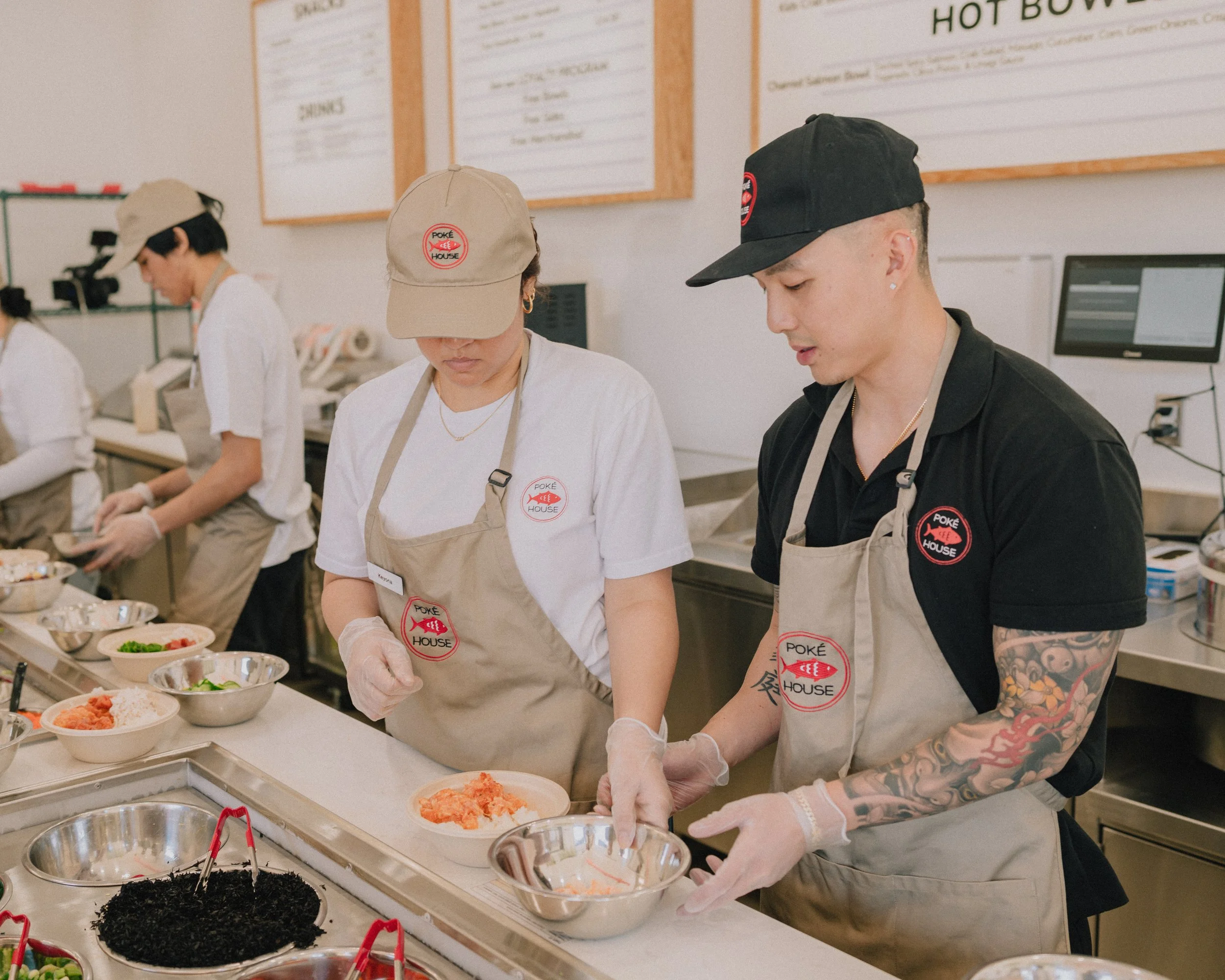
A beautiful concept that’s difficult to execute consistently across multiple locations isn’t a strong franchise. It’s a liability. The best franchise systems are engineered for repeatability. Streamlined menus, standardized prep processes, lean kitchen layouts, and efficient staffing models all contribute to a unit that can perform well whether it’s run by a first-time owner or a seasoned multi-unit operator.
Operational simplicity also protects profitability. When a system is easy to train, food waste is lower, labor costs are more predictable, and quality stays consistent. For franchisees evaluating a franchising growth strategy, this kind of built-in efficiency is what makes opening a second or third location a realistic goal rather than an overwhelming one.
A Brand With Meaning Behind It
Brand strength matters, but not in the way many investors assume. It’s not just about name recognition or marketing spend. The franchises that endure are the ones built around something real: a clear identity, authentic values, and a genuine connection with the communities they serve. That kind of brand loyalty is hard to manufacture and harder to displace.
Understanding what makes a franchise successful at the brand level comes down to trust: Do guests believe in what the brand stands for? Do they return because the experience consistently delivers on its promise? When the answer is yes, franchisees benefit from something that no marketing campaign alone can create.
The Ability to Adapt Without Losing Its Core
The best franchises evolve. They respond to shifting franchise trends without chasing them. They adopt new technology, explore new formats, and refine their offerings, all while staying true to the essence of what made them compelling in the first place. This balance between adaptability and consistency is rare, and it’s one of the clearest signals that a concept is built for the long term.
For franchisees, this translates into a system that continues to support your success as markets evolve.
Why Poké House Checks Every Box
Poké House was built with the future in mind. Founded in San Jose in 2015, our concept is rooted in the belief that fresh, responsibly sourced food and a deeply customizable experience will always have a place at the table. Our menu is clean and ingredient-forward, our kitchen model is built for efficiency, and our values — sustainability, marine conservation, and community connection, give guests something to feel genuinely good about.
As part of our franchising growth strategy, we’re looking for franchise partners who share our vision and are ready to build something lasting. Whether you’re evaluating your first franchise investment or expanding an existing portfolio, Poké House offers a concept with all the hallmarks of a recession-proof franchise: enduring consumer demand, operational simplicity, and a brand that stands for something real.
This is also a key part of why franchises are successful in our space: The poké category has proven its staying power, and Poké House has established itself as a leader within it.
Ready to Invest in Something Built to Last?
The most important franchise decision you’ll make isn’t which concept is the hottest right now; it’s which one will still be thriving a decade from now. If you’re ready to explore a franchise opportunity grounded in enduring demand, a proven model, and genuine brand purpose, we’d love to talk.
Reach out to the Poké House franchise team today and let’s start building something future-proof together.